
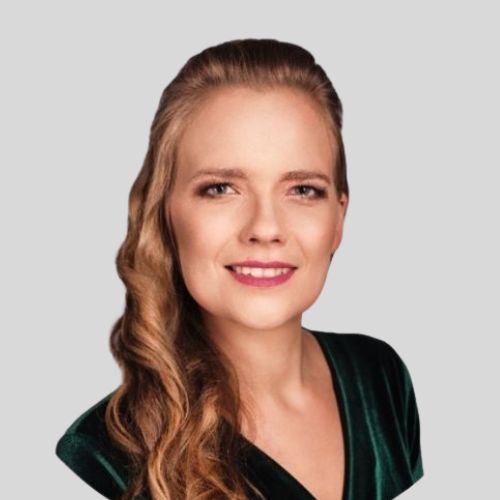
Dr. Anna Malwina Kamelska-Sadowska
University of Warmia and Mazury in Olsztyn
<p>Anna Malwina Kamelska-Sadowska, PhD, is an assistant professor at the Department of Rehabilitation and Orthopedics, University of Warmia and Mazury in Olsztyn, Poland. She is a specialist in physiotherapy and a certified instructor of aquatic fitness, water-based exercise, and the Bad Ragaz Ring Method (BRRM). Her clinical experience includes internships at the University Clinical Hospital and the Provincial Specialist Children’s Hospital in Olsztyn. She has completed postgraduate training in pharmacotherapy for physiotherapists, pediatric physiotherapy, functional diagnostics in cardiovascular and respiratory diseases, and ECG interpretation.</p>
Poland
Abstracts
Dr Kamelska Holistic Medical Interview Approach (the KAHMIA method)
The Holistic Medical Interview Approach (KAHMIA), developed by Dr. Anna Malwina Kamelska-Sadowska, is an integrated framework for clinical interviewing that expands the traditional biomedical model by incorporating psychological, social, lifestyle and environmental determinants of health. Rooted in extensive clinical experience and numerous case studies, the method addresses diagnostic gaps commonly encountered in patients with chronic, multifactorial or medically unexplained symptoms.
KAHMIA aims to support clinicians in understanding not only the disease, but the person experiencing it. The interview is structured around three core components: present complaints, including symptom characteristics and functional impact; medical history, covering all past conditions correlated with present complaints, medications, lifestyle; and psychosocial and environmental context, encompassing lifestyle, stress, relationships, and genetic factors, phychosomatic disorders. These components are operationalized into six flexible modules integrating narrative medicine, open-ended questioning and active listening.
Application of the KAHMIA method improves diagnostic accuracy, reveals risk factors often missed in conventional interviews, and strengthens the therapeutic alliance. By integrating biological, emotional and contextual data, the method facilitates early identification of complex etiologies and supports individualized therapeutic planning. KAHMIA is particularly valuable in cases of multimorbidity, chronic pain, psychosomatic presentations and lifestyle-related disorders.
Featured 2026 Speakers
Speakers of The Club
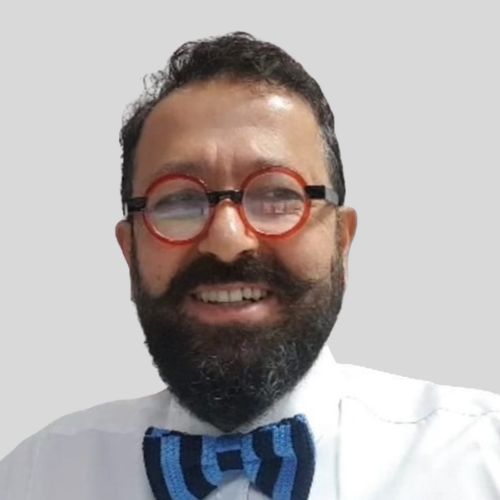
Prof. Dr. Sarper Diler
Nicholas Gonzalez Foundation, Chair -Scientific Ad Board and Ovital Institute Med Director

Dr. Greg Jones
Directors for the American Association of Naturopathic Medicine
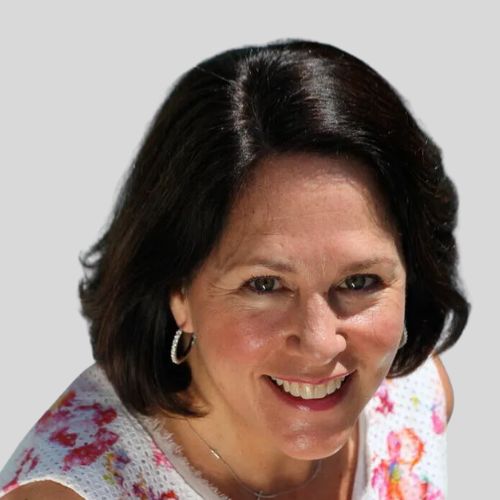
Mary Beth Gonzalez
Nicholas Gonzalez Foundation, President

Dr. Angela Mazza
Founder of Metabolic Center for Wellness in Oviedo, FL
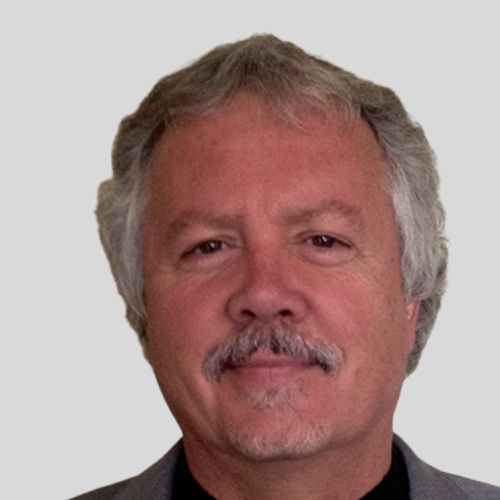
Dr. Colin Ross
CA Ross Institute, President

Dr. Jutta Wohlrab
Empowering mothers to Navigate Pregnancy and Childbirth Confidently
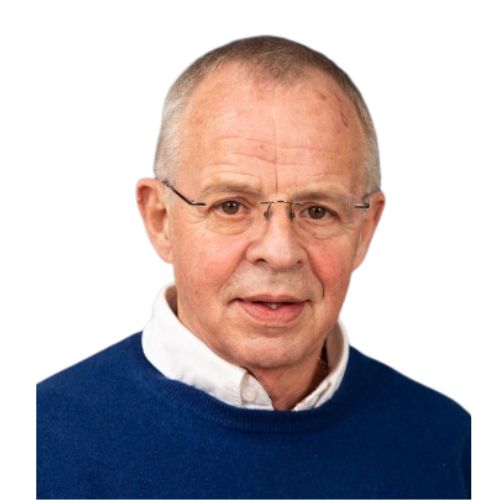
Dr. Dirk Wiedbrauck
Center for advanced medicine/Germany

Dr. Tom Obryan
TheDr.com, Global Health Educator, Faculty-Institute of Functional Medicine, Chief Health Officer at
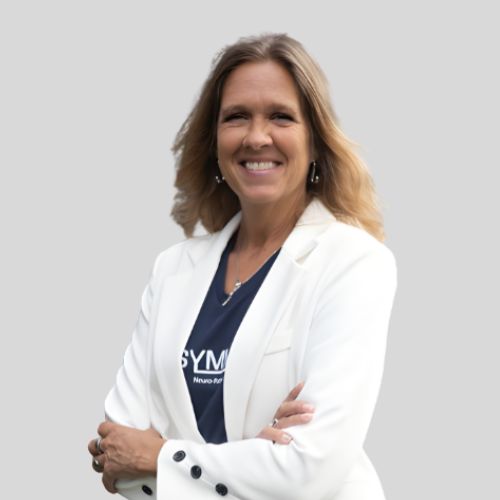
Dr. Dianne Kosto
Founder of SYMMETRY Neuro-Pathway Training
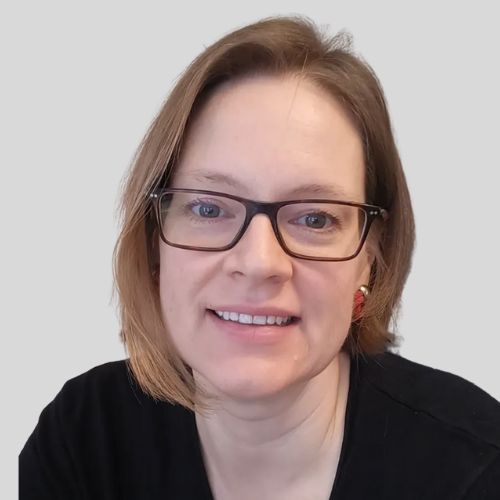
Erin Maurer
Erin Maurer is a founding partner at Mason & Lanz

Dr. Fernanda Santos
Facilitando Acupuntura
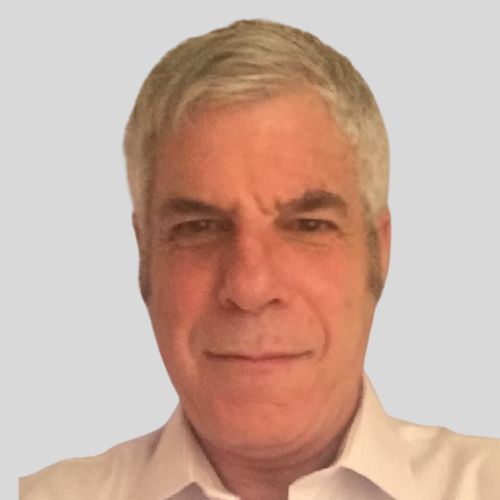
Dr. William Clearfield
Director at American Osteopathic Society of Rheumatic Diseases
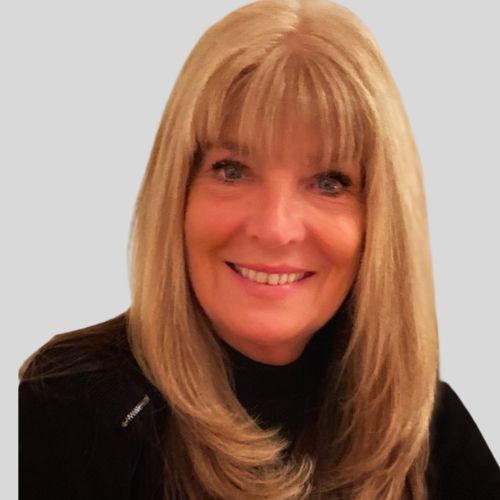
Dr. Barbara
Founder Potential Unlimited. Quantum Medicine Practitioner
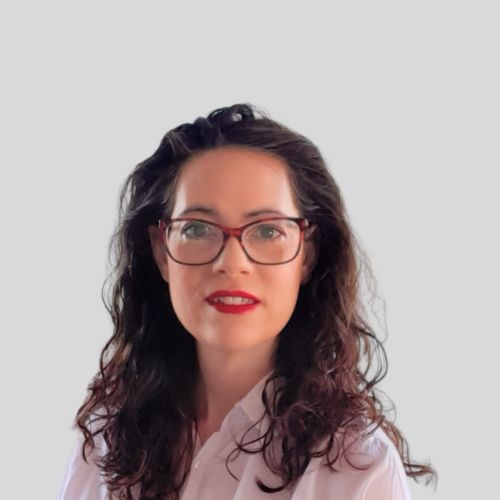
Dr.Leticia Navas
University of the Basque Country
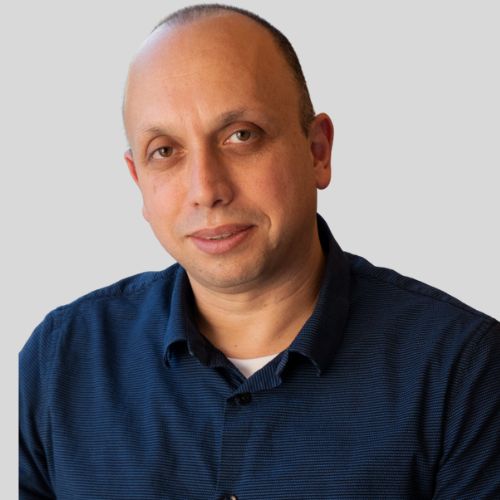
Ron Yaffe
Ron Yaffe, ND. Chairman of the Israeli Naturopathic Association
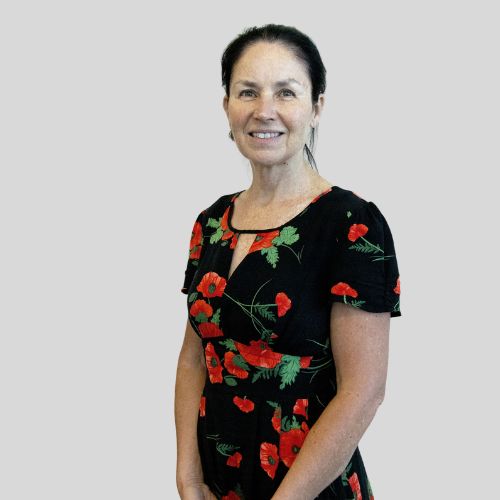
Dr. Aqua Hastings
University College, Australia
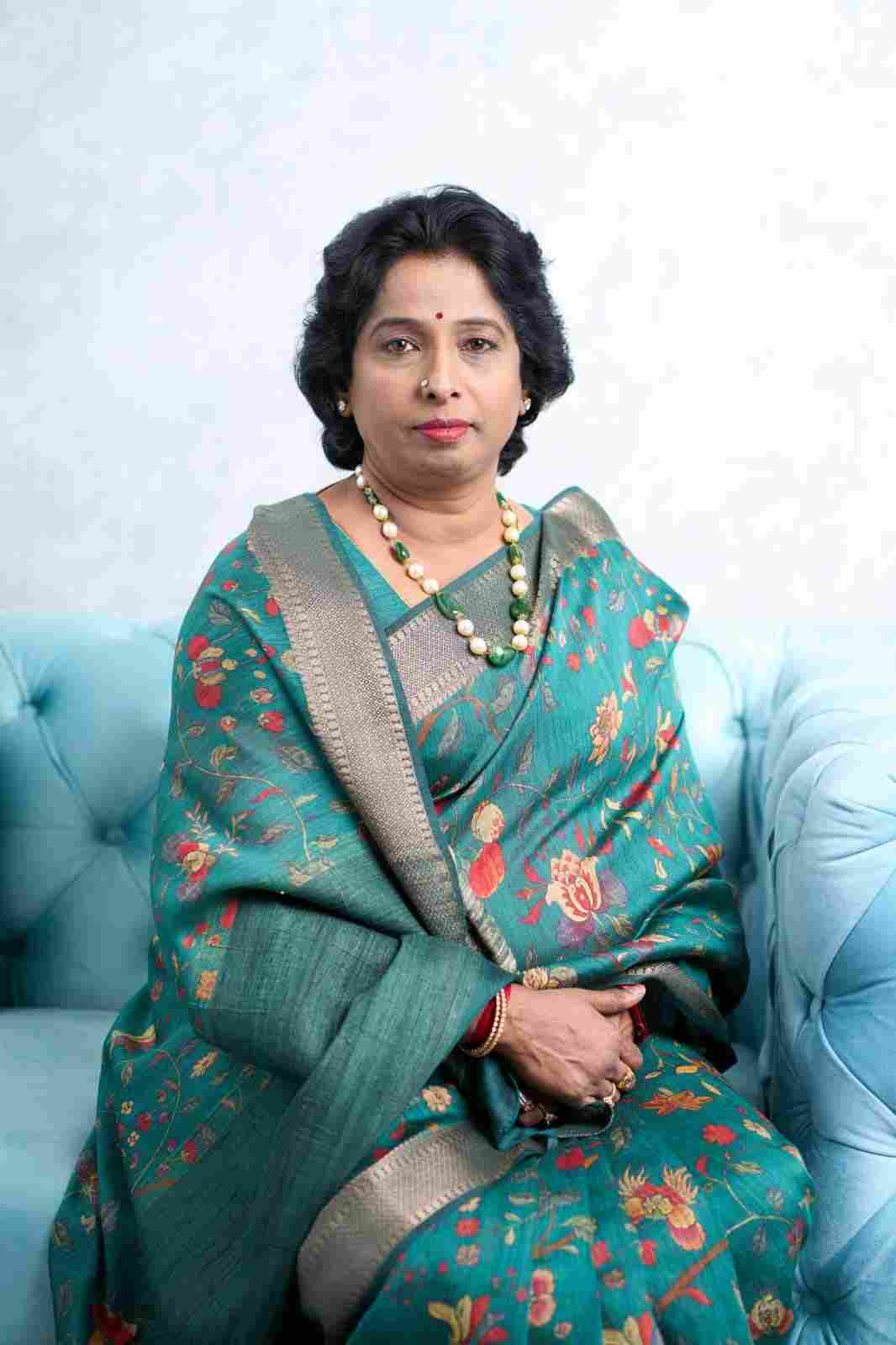
Dr. Sathya Sinduja Bhuvanagiri
Chakrasiddh Holistic Healing and Research centre, Hyderabad, India

Dr. Alisha Rawji
Canadian College of Naturopathic Medicine